
Aa
Letter A — Preschool (Free Worksheets)
Everything your child needs for the letter A in one place — watch, identify, sound it out, trace, write, and check what they’ve learned. No other page needed.
How to use this page
Work through the steps in order — watch, identify, hear the sound, colour, trace, write, then check. Most children finish in 10–15 minutes; some steps can be split across two days.
1 Watch
Letter A Sound & Shape
Start by watching a short video together. Seeing and hearing the letter A modelled first gives your child a reference point before any activity begins.
2 Colour
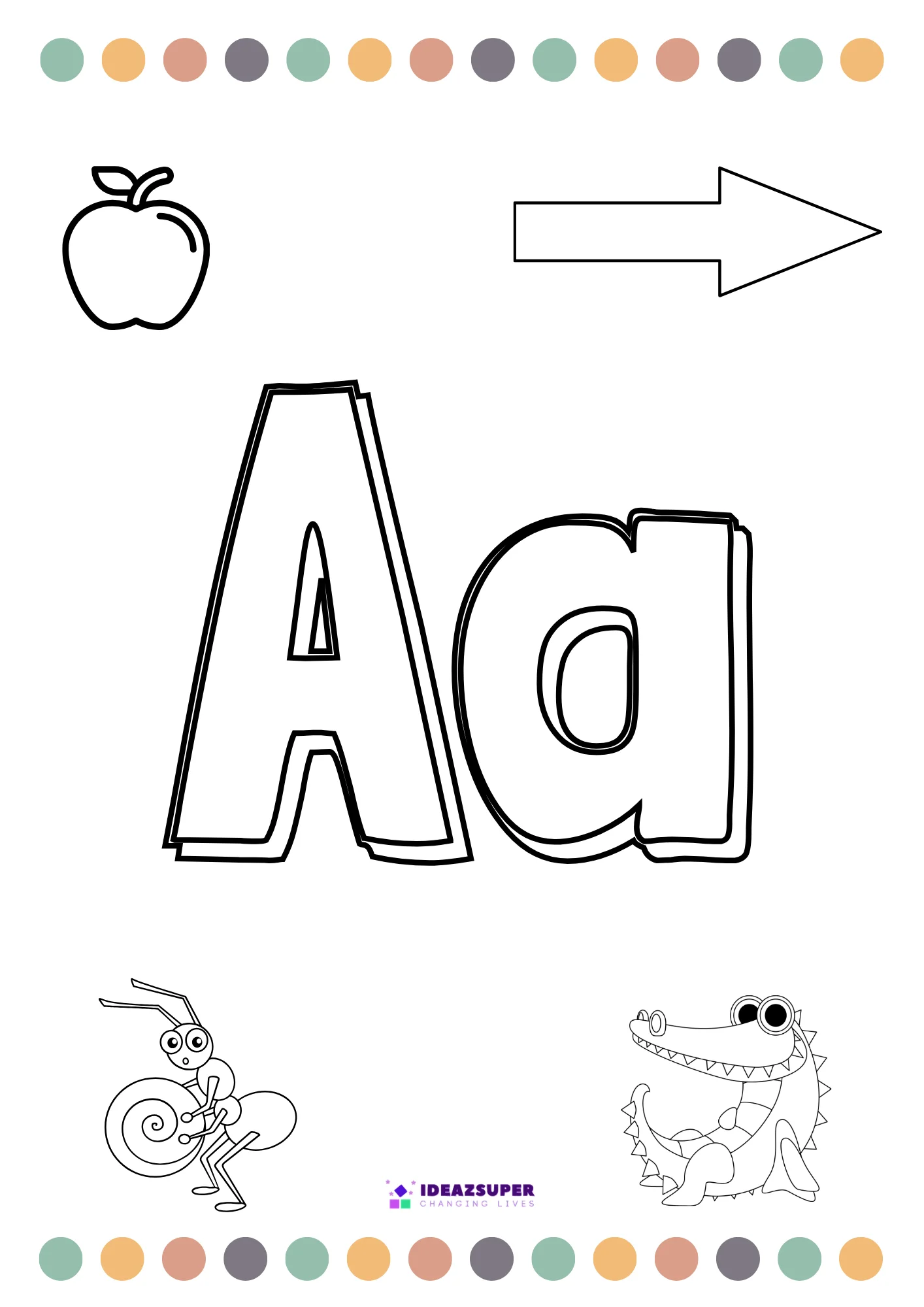
Colouring the letter A helps your child spend more relaxed, hands-on time with its shape while building fine motor control with a crayon or pencil. This page pairs the big A/a with four pictures that all start with the letter — apple, arrow, ant, and alligator — so your child sees the same sound repeated across different objects while they colour.
3 Identify
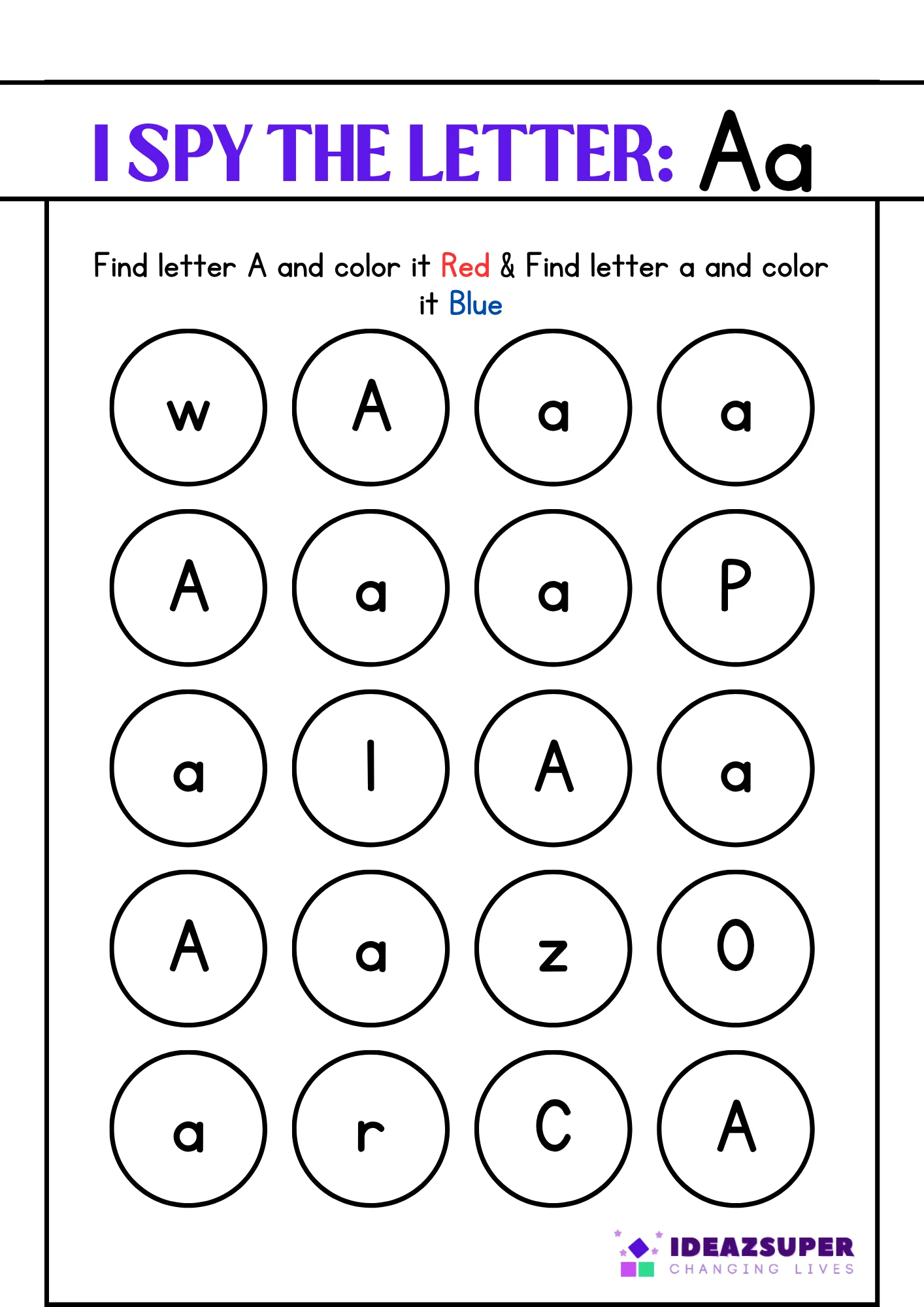
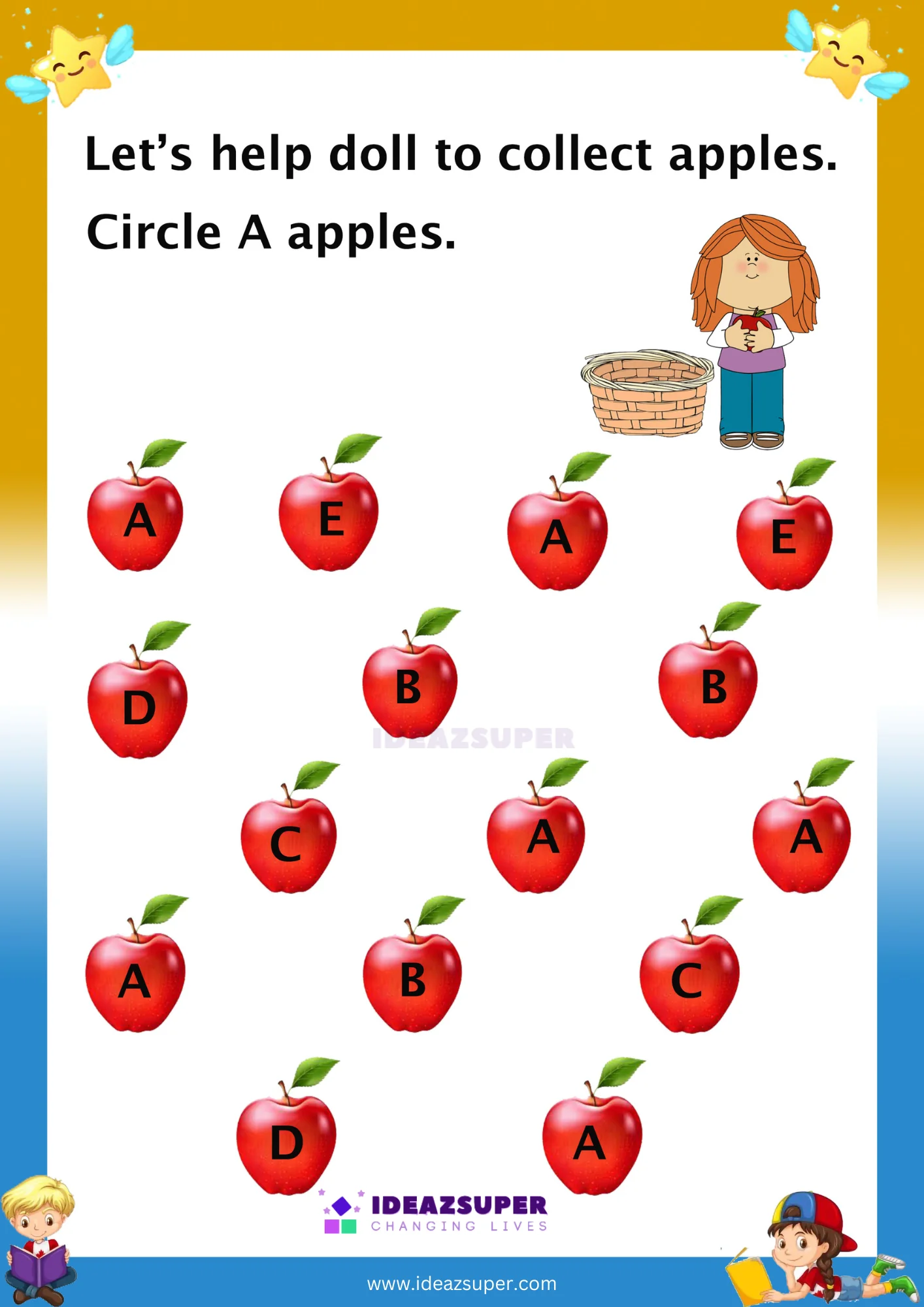
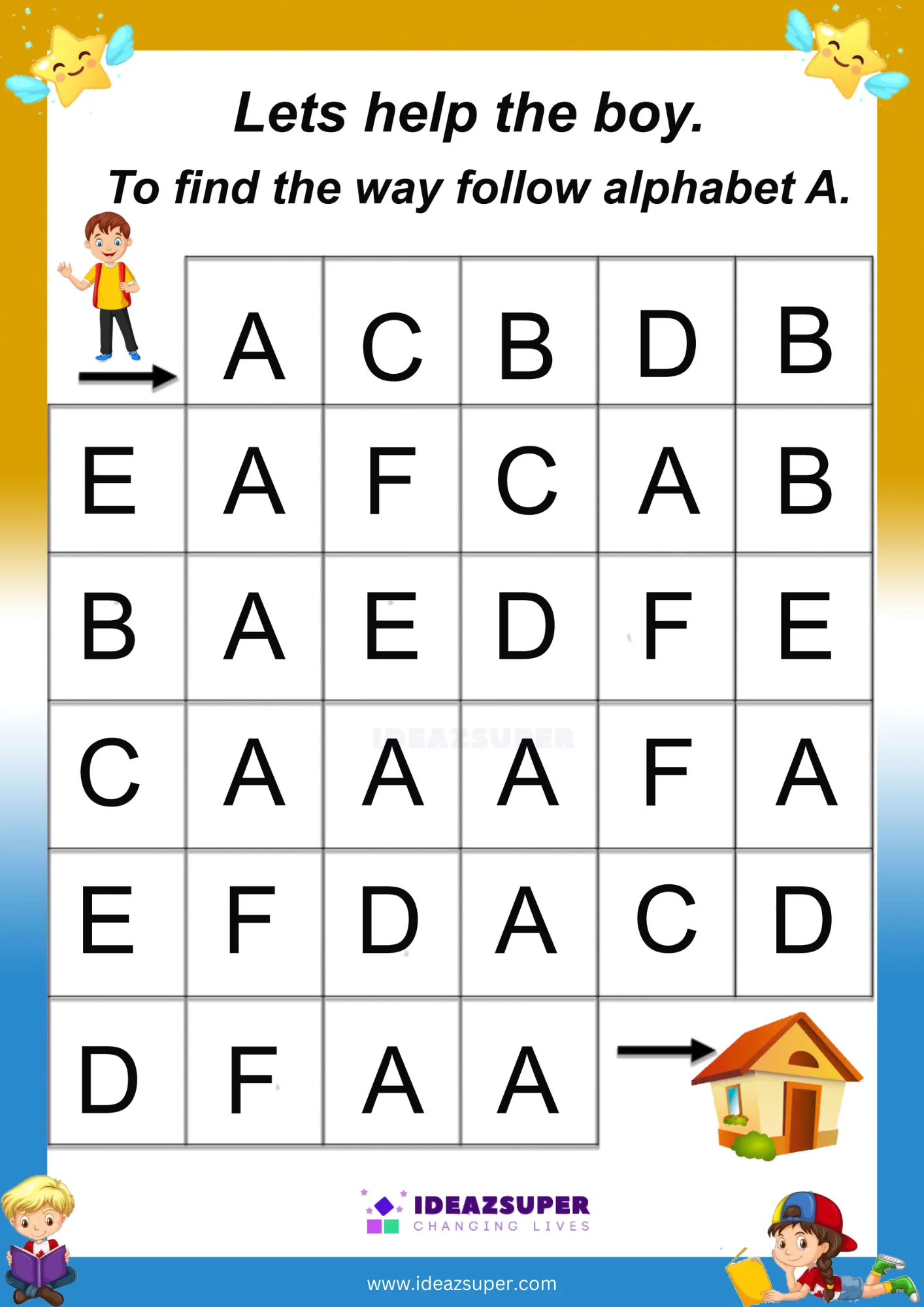
Before your child writes the letter A, they need to be able to spot it confidently among other letters — both the capital A and the lowercase a. These activities ask your child to circle, find, or match the correct letter among similar-looking ones.
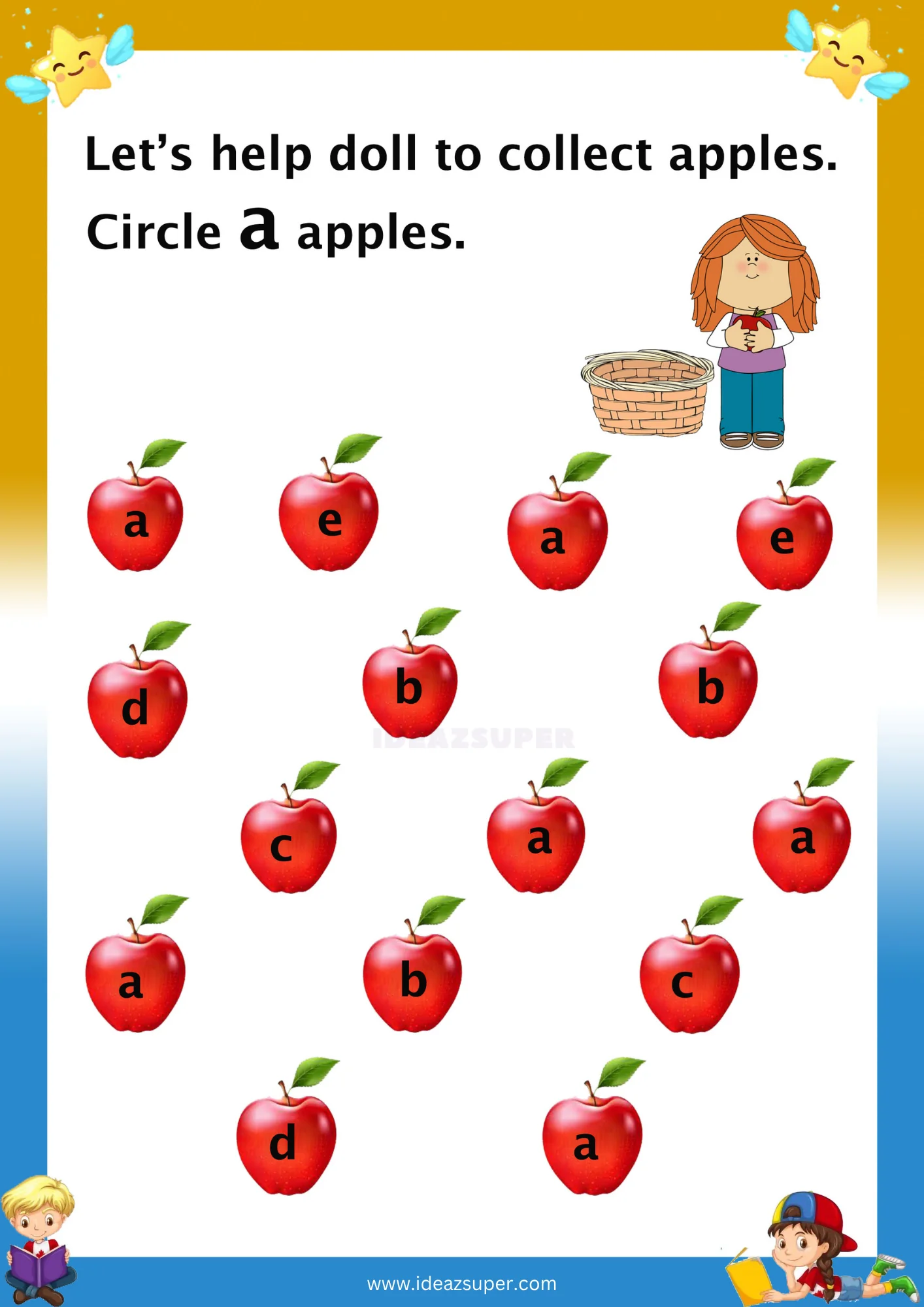
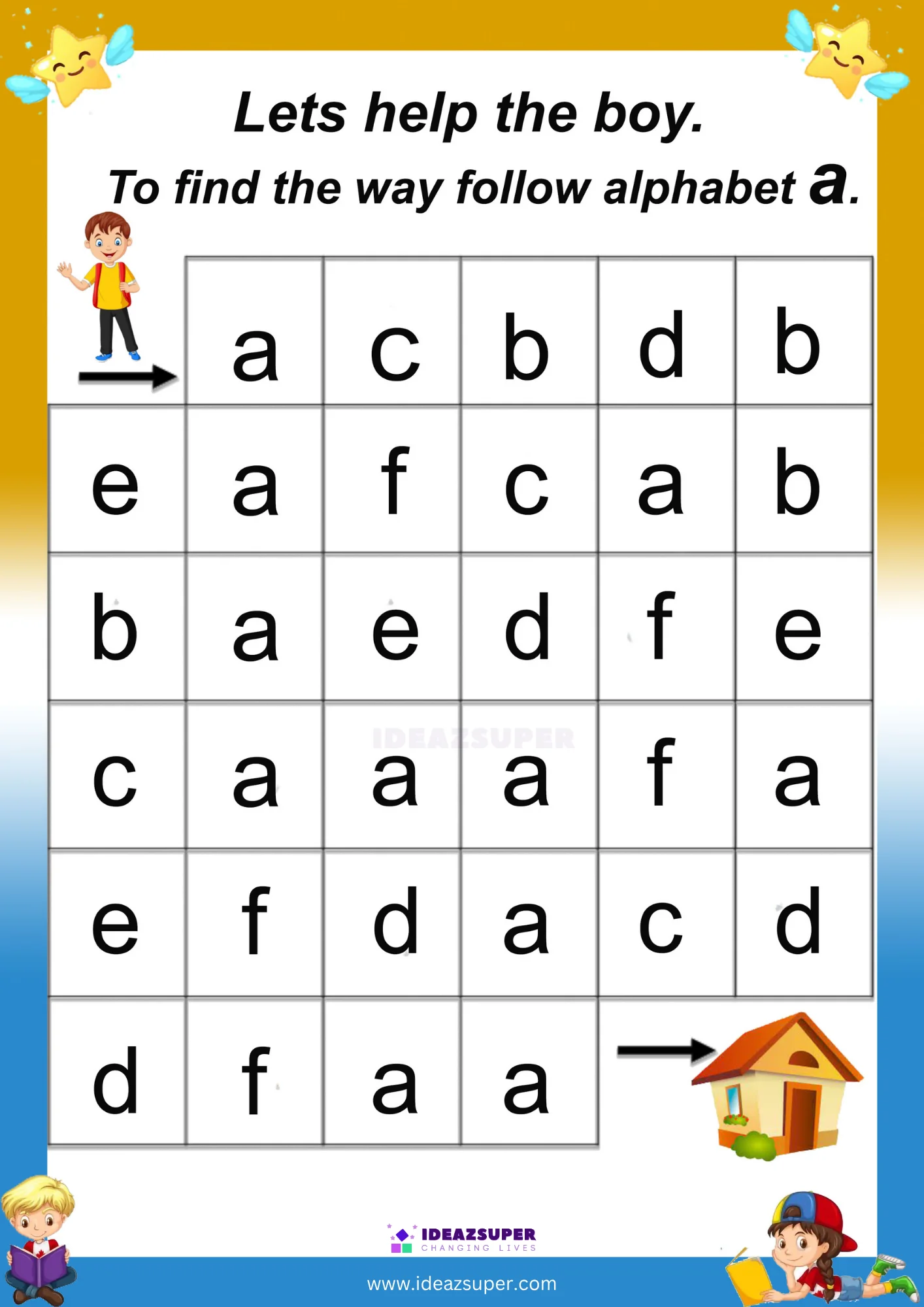
💡 Say it out loud
While your child works through the sheet, say: “A — apple, ant, arm.” Verbal repetition alongside the worksheet builds the sound faster than the worksheet alone.
4 Connect
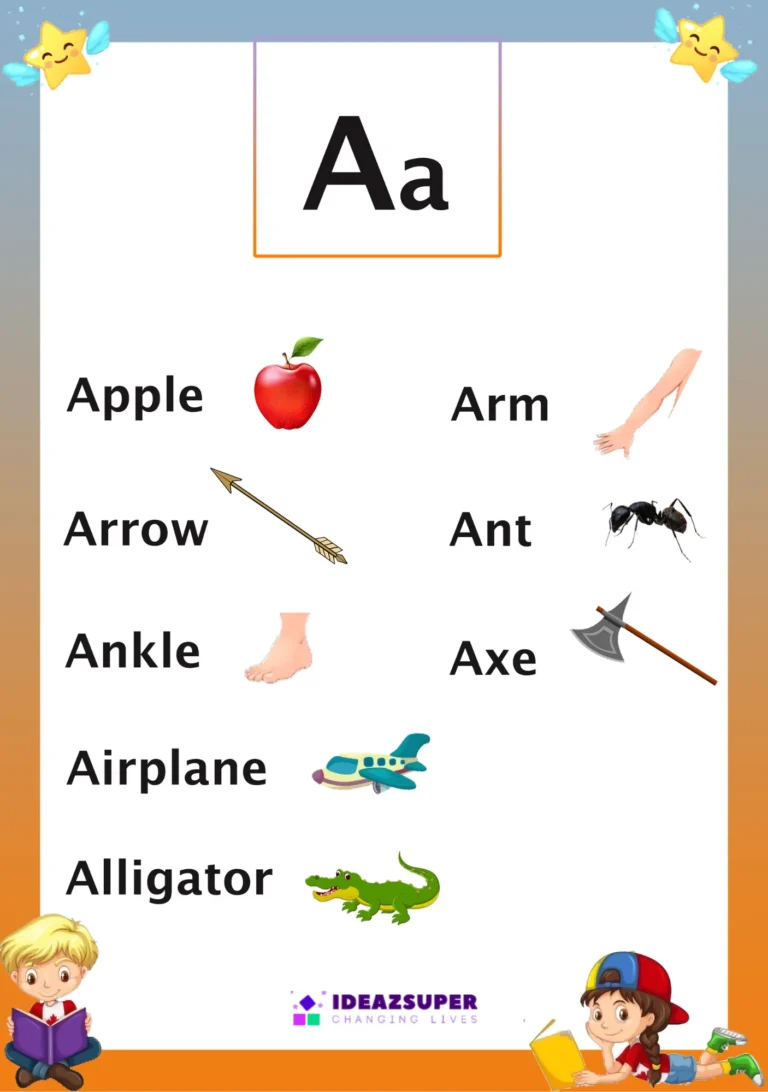
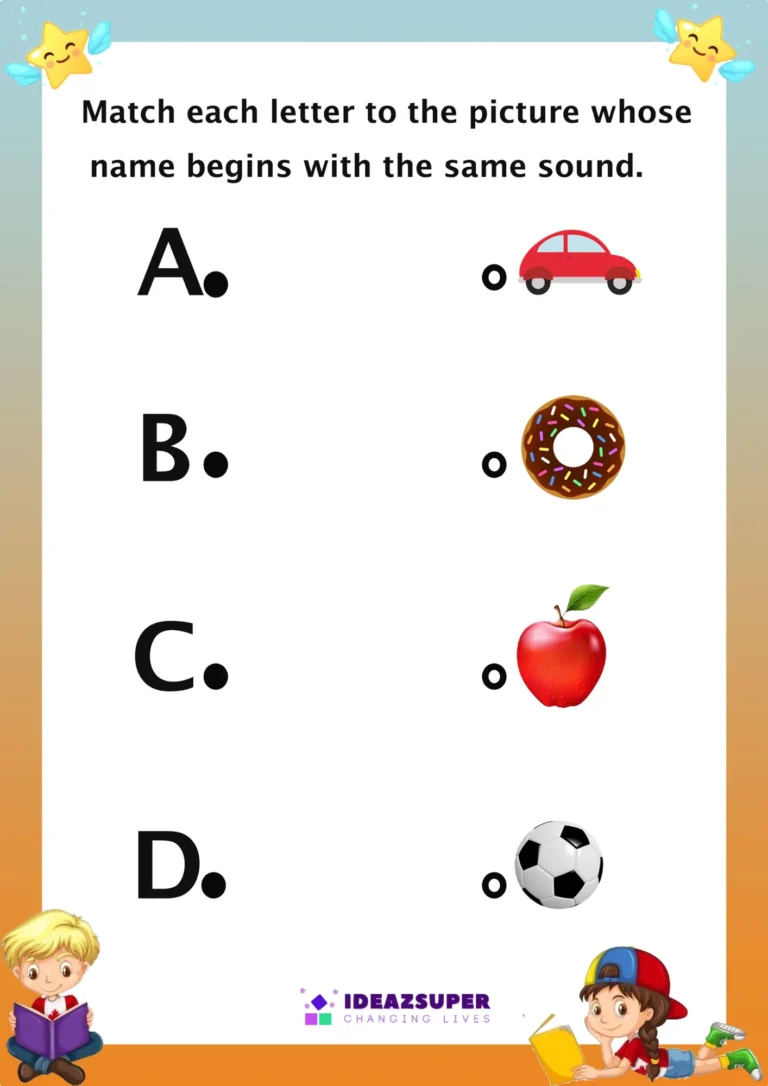
A says /a/
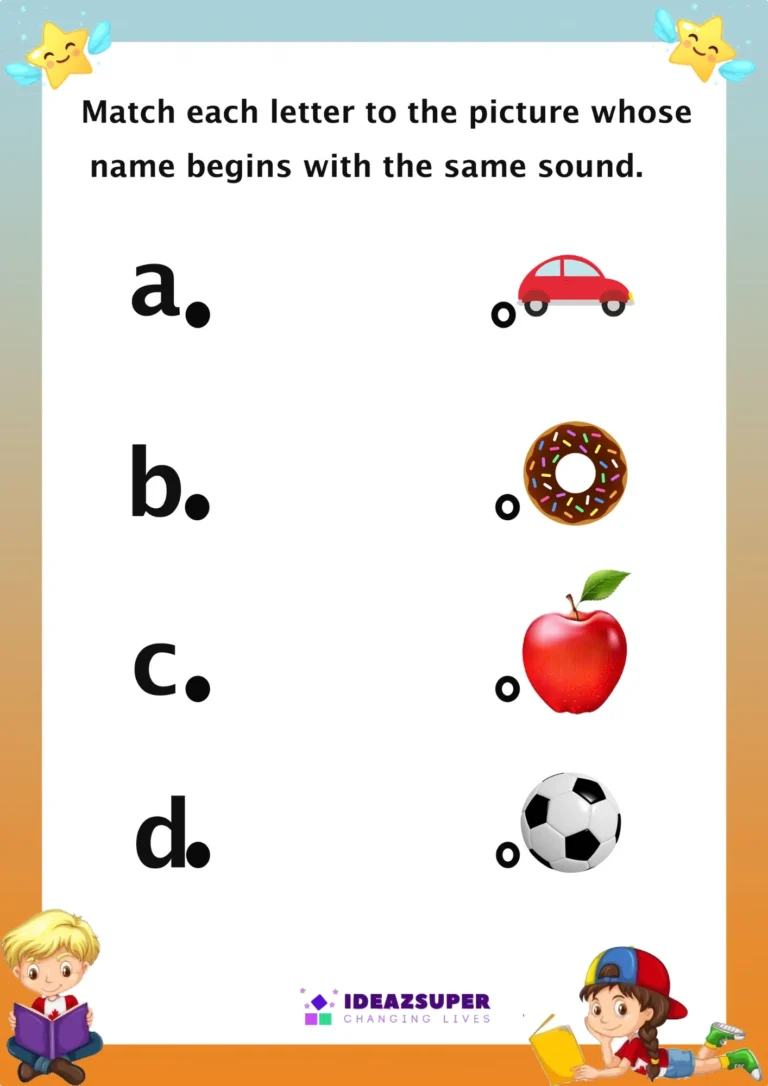
Letter A is only useful once your child knows what it sounds like. These activities connect the shape of the letter to its beginning sound using pictures your child already recognises — like apple.
5 Trace
Learn the Correct Stroke
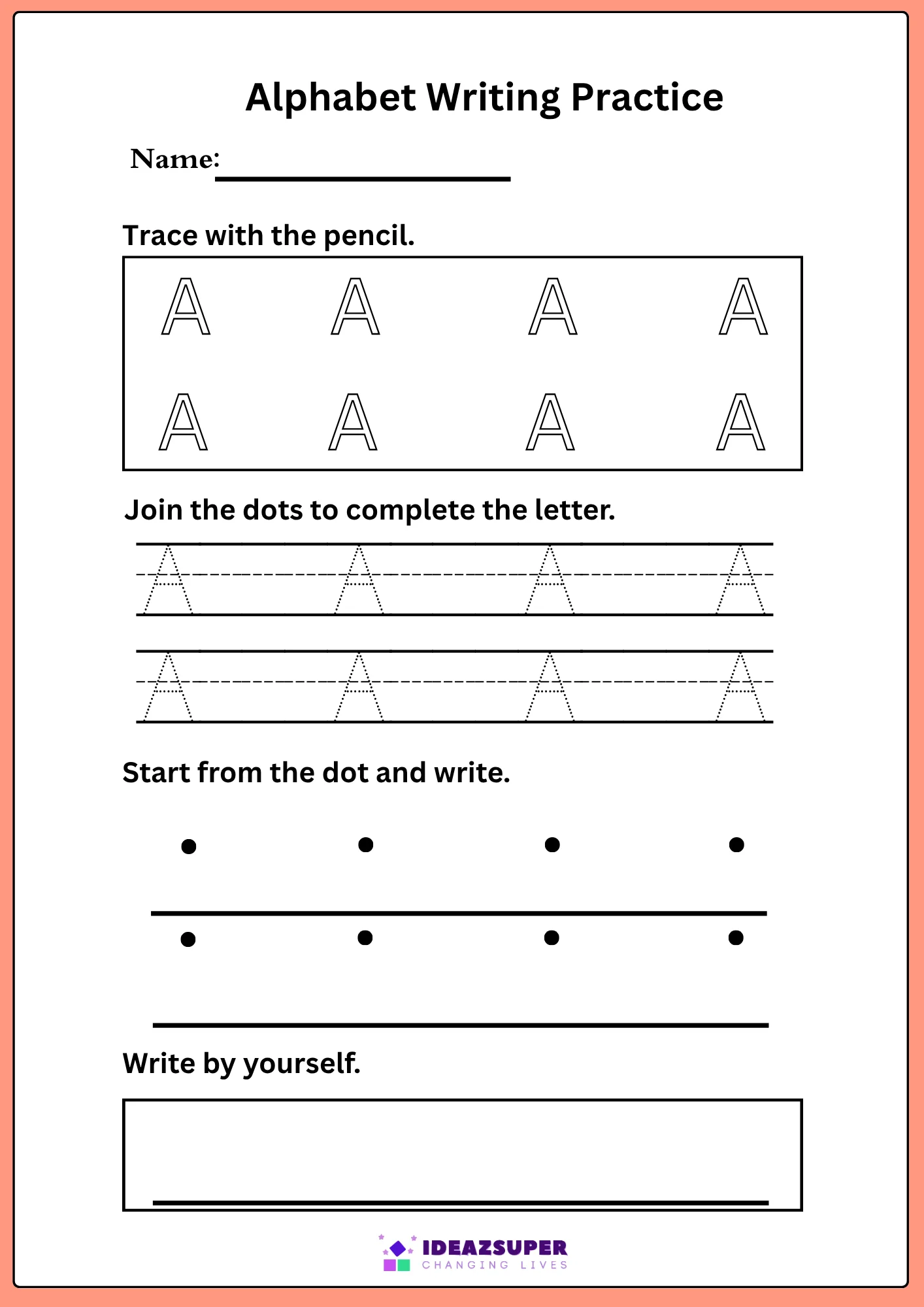
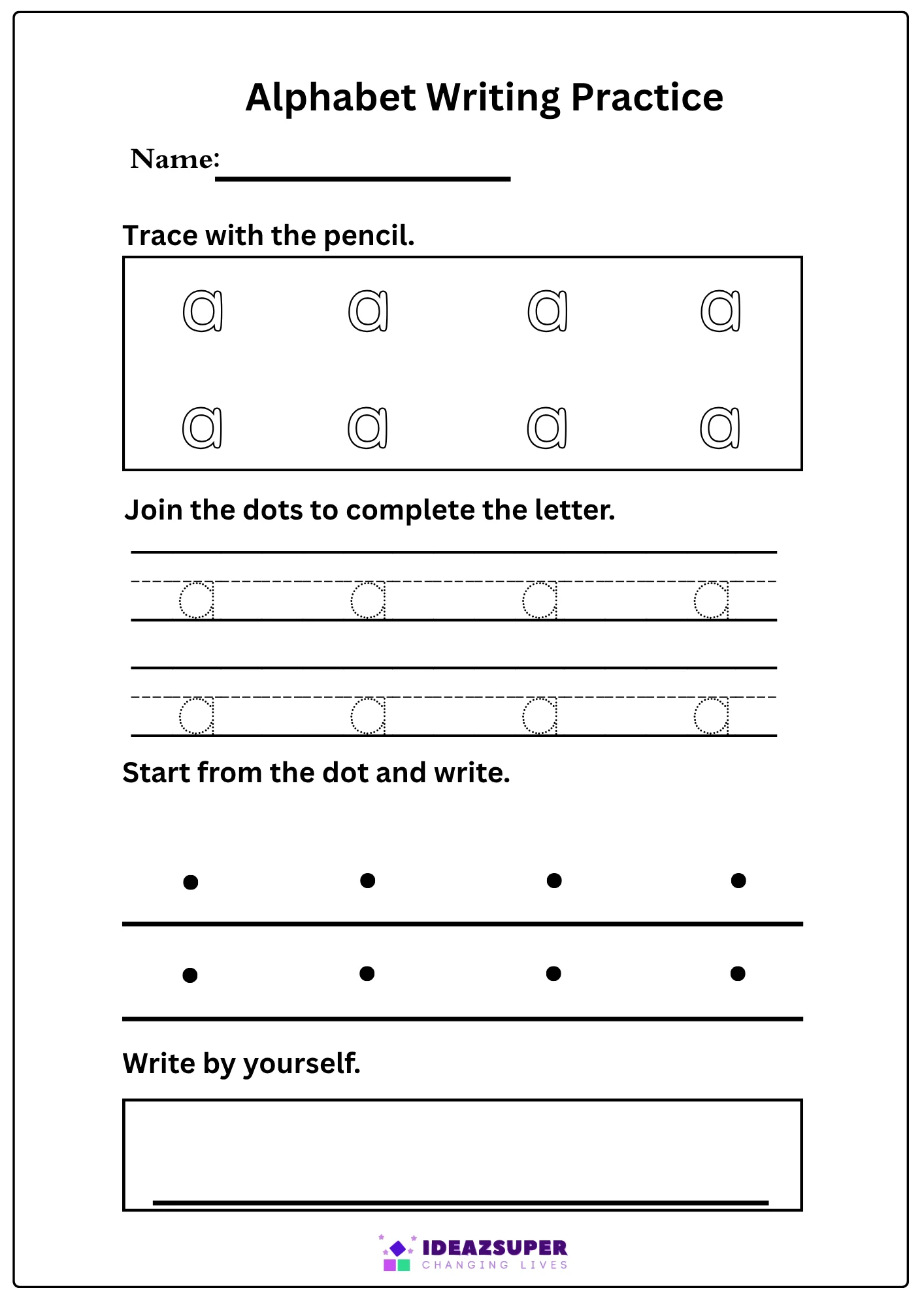
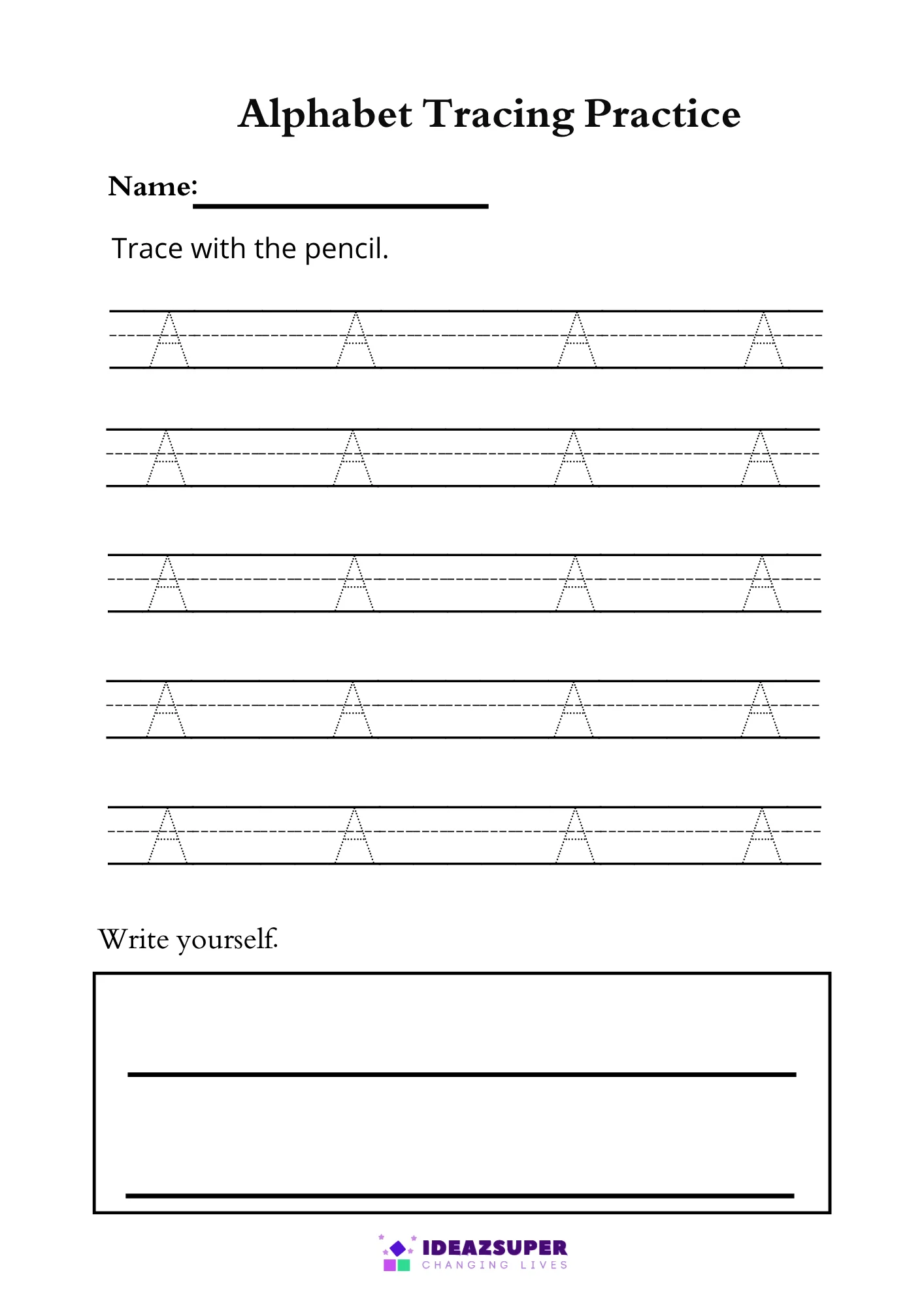
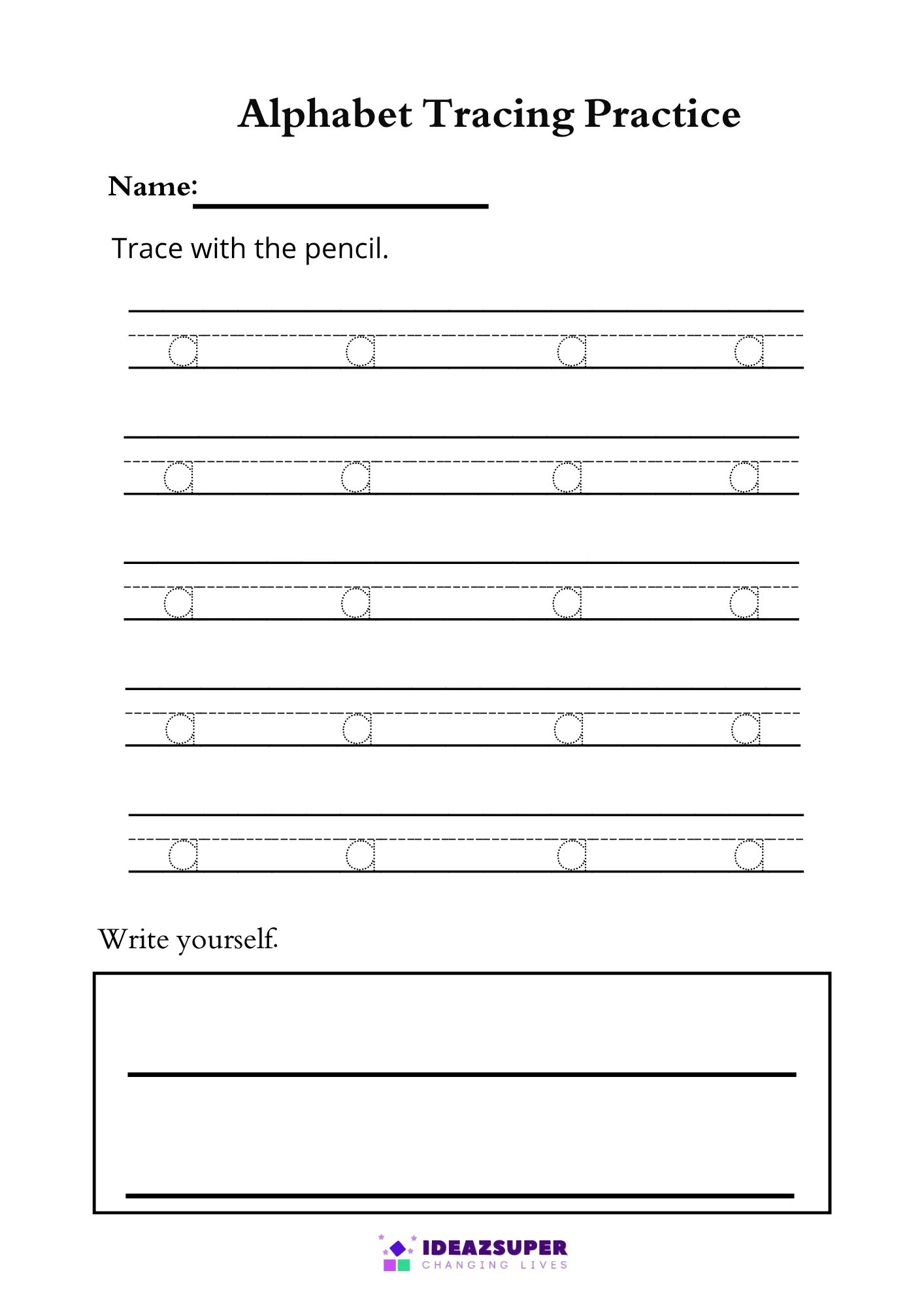
Often the first letter taught — a good “anchor” letter for the whole series. Tracing helps your child build the correct starting point and stroke direction for the letter A before attempting it freehand.
6 Write Independently
No Dotted Guide
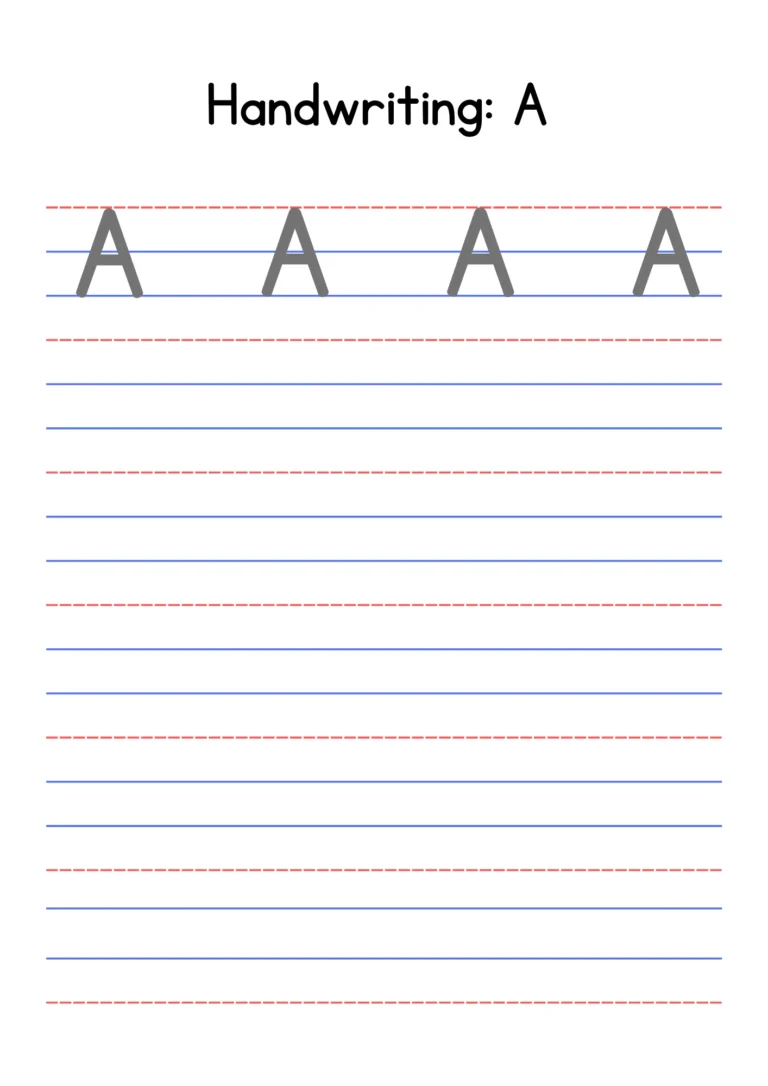
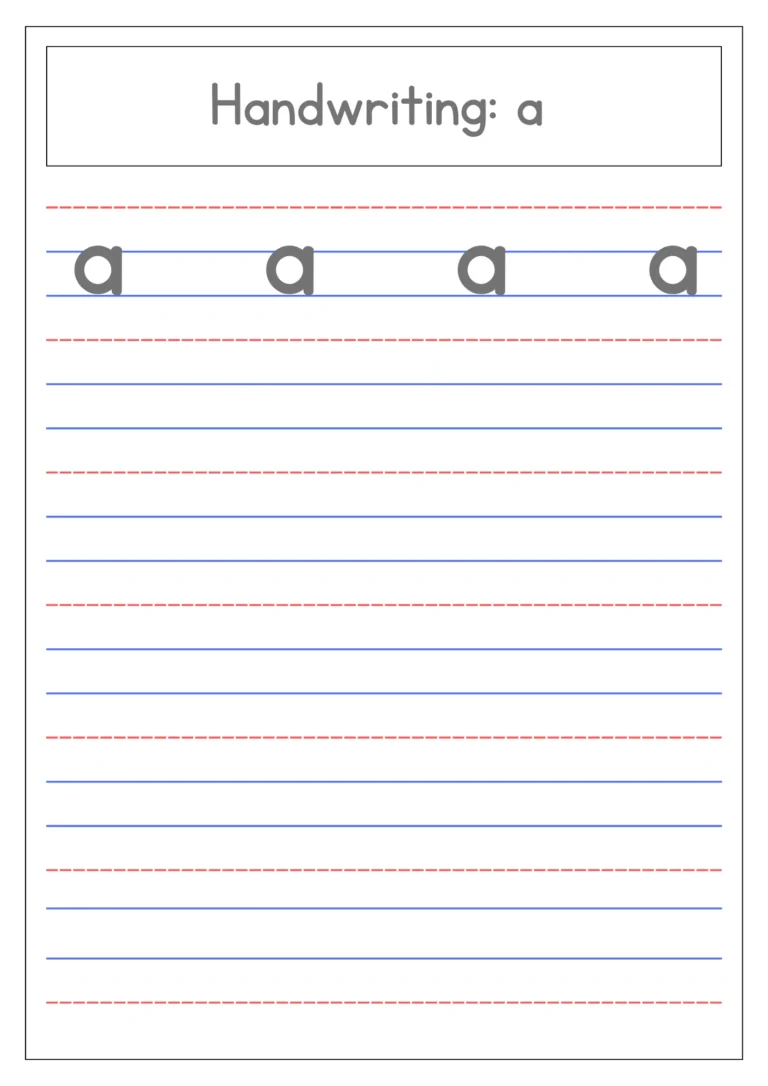
Once tracing feels comfortable, move to writing the letter A without the guide. If it feels tricky at first, that’s a normal early stage — steady practice, not correction, is what builds it into muscle memory.
ℹ️ Only do this once 1–5 are solid
Blending is the payoff step, not a starting point. If your child hasn’t mastered identification and sound yet, come back to this after another week of practice.
7 Check
Letter A Assessment
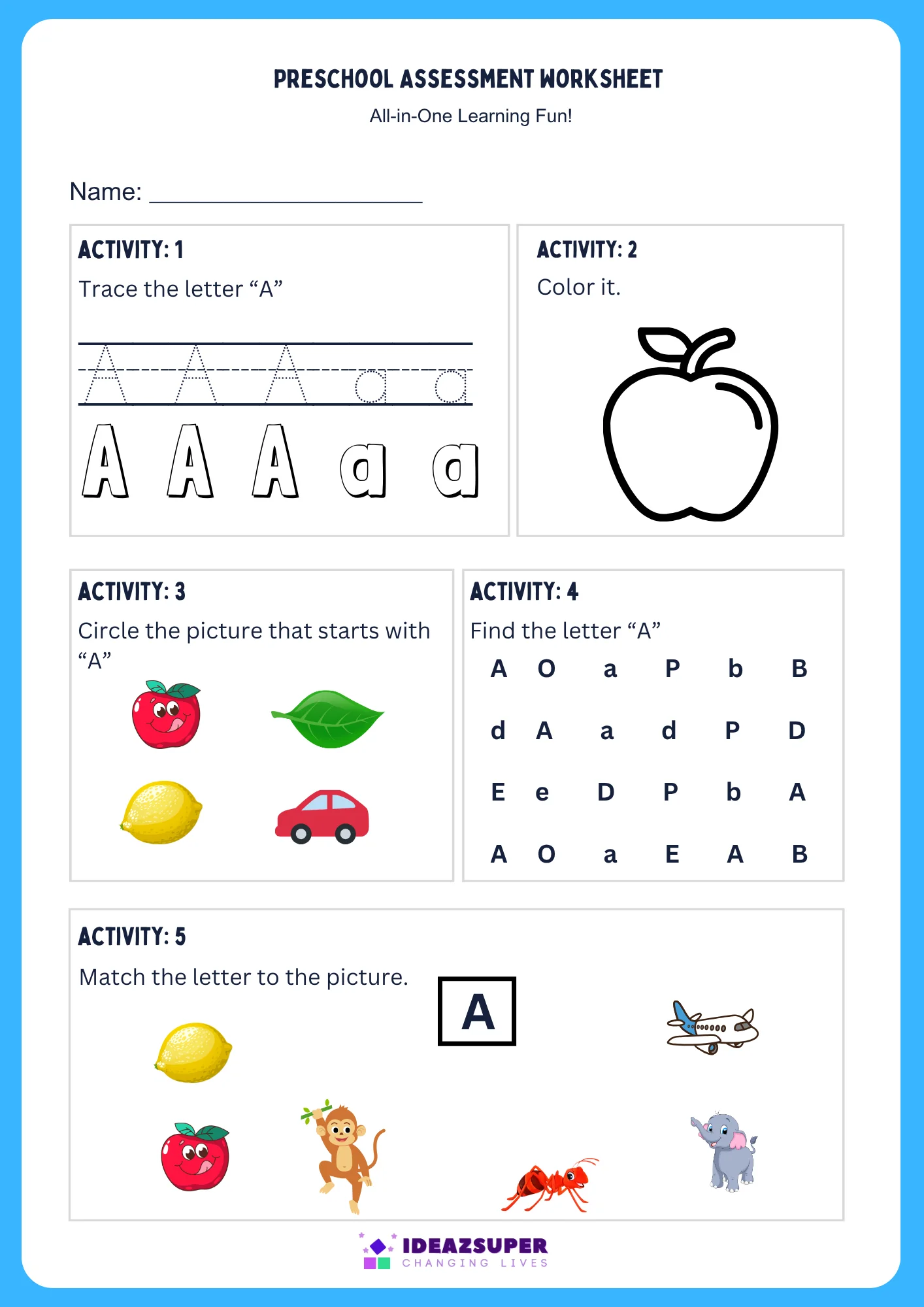
A short assessment lets you confirm your child recognises, sounds out, and writes the letter A confidently before moving on. This is designed to be completed after your child has worked through at least 3 of the activities above.
🏆 Celebrate
Letter A Certificate
Once your child passes the check, print this certificate together. It’s a small moment that makes them want to come back for Letter B.
Click here to submit 3 completed worksheets and get a free printable certificate.
Frequently Asked Questions
What age should my child start learning letter A?
Identification can start from age 3. Tracing is appropriate once your child can hold a pencil with reasonable control, usually 3.5–4. Independent writing typically follows a few weeks after tracing feels easy.
My child knows the letter A but not the sound — is that normal?
Yes, very common. Letter naming and letter sound are separate skills. Go back to Step 3 (Beginning Sound worksheets) and add verbal drilling — “A says /a/ like apple” — a few times a day until it’s automatic.
How long should we spend on letter A before moving to B?
2–3 days of focused practice is typical for a first letter. If your child passes the Letter A Check comfortably, move on. Don’t wait for perfection — review naturally happens as later letters and CVC words repeat earlier sounds.
Why is A usually the first letter children learn?
A is visually simple, has a very common short-vowel sound, and anchors many of the earliest words children read (cat, hat, bag) — which is why most curricula, including this Learning Path, start here.
Do I need to complete every step in one sitting?
No — most families spread the seven steps across several short sessions rather than one long one.